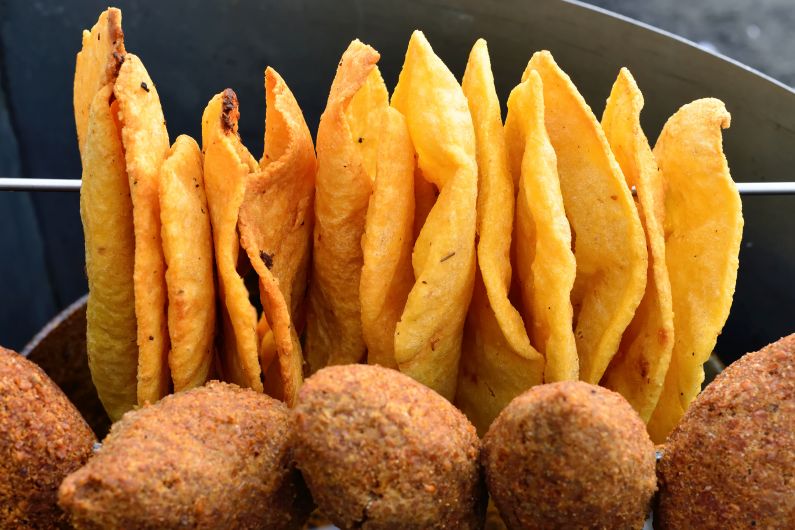
Gastronomie côte nord dominicaine : plats et adresses

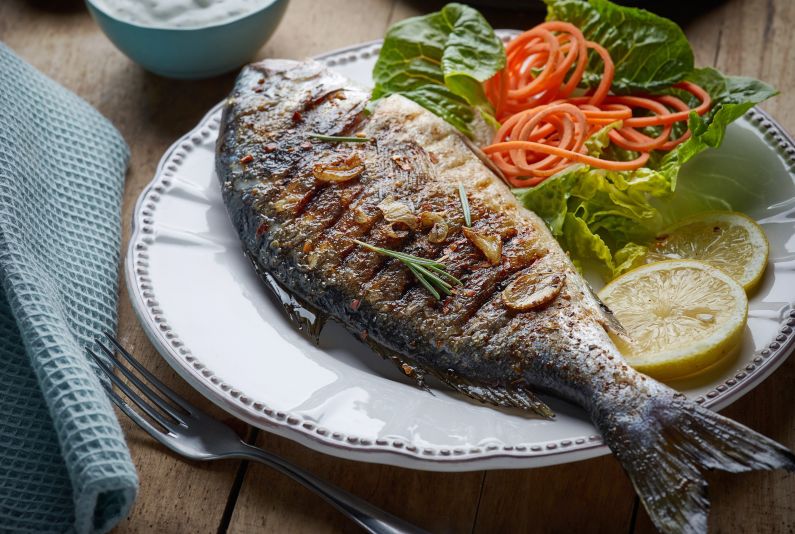
Dominican gastronomy doesn’t get the international recognition that Peruvian, Mexican, or Cuban cuisines do, but on the north coast, between Puerto Plata’s family-run lunch spots, Sosúa’s beachfront seafood shacks, Cabarete’s expat-meets-Dominican fusion scene, and Las Terrenas’s French-Dominican hybrid kitchens, you can eat exceptionally well for $10–40 a meal. This guide covers what the dishes actually are, where to find them on the north coast, and how the regional cuisine differs across the corridor.

The Three Streams Behind Dominican Cuisine
Dominican food carries the same three-stream inheritance as Dominican identity itself: Taíno indigenous ingredients (yuca/cassava, corn, sweet potato, peanuts, tobacco, cacao, allspice), Spanish contributions (rice, livestock, sofrito-style aromatics, citrus, olive oil), and African techniques and crops (plantain, okra, yam, gandules pigeon peas, frying methods, slow-stewing). Most signature dishes blend all three streams in a single plate.
The National Plate: La Bandera Dominicana
La bandera, “the flag”, is the everyday lunch plate eaten across the Dominican Republic, named for resembling the national colors. Three components on the same plate:
- Arroz blanco, white rice (white)
- Habichuelas guisadas, stewed red beans, sometimes black beans (red/brown)
- Carne, usually braised chicken (pollo guisado), beef stew (carne guisada), or pork chop (chuleta)
Sides typically include tostones (twice-fried green plantains), ensalada (simple cabbage-tomato-onion salad), and sometimes a slice of avocado. A standard bandera at a Dominican comedor (local lunch spot) runs RD$200–350 ($3–6 USD) per plate. It’s lunch food, served roughly 12:00–14:30, and most Dominican workers eat it daily.
North Coast Seafood: The Defining Category
The Atlantic-facing north coast has fresh seafood as its signature. Dishes you’ll see across Sosúa, Cabarete, Puerto Plata, and Las Terrenas:
| Dish | What it is | Typical price (USD) |
|---|---|---|
| Pescado frito | Whole fresh fish (snapper, dorado, grouper) marinated and pan-fried, served with tostones and rice | $12–22 |
| Langosta a la parrilla | Grilled lobster with garlic-lime butter, rice, salad | $25–45 |
| Camarones al ajillo | Shrimp sautéed in garlic, olive oil, lime, sometimes finished with white wine | $15–25 |
| Lambí guisado | Stewed conch in tomato-onion-bell-pepper sofrito; tender, briny, served with tostones or rice | $14–22 |
| Salpicón de mariscos | Cold seafood salad: shrimp, octopus, mussels marinated in citrus and onion | $12–18 |
| Asopao de mariscos | Soupy rice stew with shrimp, scallops, fish, somewhere between paella and risotto | $14–22 |
| Cangrejo guisado | Crab stew in creole sofrito; eaten with tostones to soak up the sauce | $13–20 |
| Pescado con coco | Samaná specialty: whole fish stewed in coconut milk with bell peppers, cilantro | $15–25 |
Where to Eat: Concrete Restaurant Recommendations
By zone, restaurants we send clients to (with a mix of price points):
- Maimón (between Puerto Plata and Sosúa), the original north-coast seafood corridor. Roadside open-air restaurants serve langosta, pescado frito, and asopao at prices below tourist-zone rates. Carnaval, El Marinique, and El Faro are reliable. Plan for lunch.
- Puerto Plata city, try La Parrillada Steakhouse for grilled meats, Skina for upscale Dominican-international, El Bergantín on the malecón for seafood, and Sam’s Bar & Grill for casual breakfasts. Hemingway’s Café at Playa Dorada for an institution.
- Sosúa, On The Waterfront for beachfront dining, Mama Mia for Italian-Dominican fusion, Locos Beach Bar on Playa Alicia for casual seafood, Casa Marina for Dominican classics with a view.
- Cabarete, La Casita de Don Alfredo for traditional Dominican, Vagamundo for European-Dominican fusion, Bliss Restaurant for upscale beachfront, Yalla for healthy/Mediterranean, Bachata Rosa for Dominican classics, El Pirata for casual seafood on the beach road.
- Las Terrenas (Samaná), Mi Corazón for fine French-Caribbean, El Cayuco for beachfront seafood, Boulangerie Française for French baked goods, La Yuca Caliente for Dominican-French fusion, Mojito Bar for cocktails plus tapas.

Breakfast: Mangú and the Three Strikes
The signature Dominican breakfast is mangú, mashed boiled green plantains with onions sautéed in vinegar on top. Mangú on its own is fine; mangú con los tres golpes (“with the three strikes”) is the standard order, adding three items on the side:
- Queso frito, pan-fried slabs of salty white cheese (queso de freír)
- Salami frito, sliced Dominican-style salami, pan-fried
- Huevos, eggs, usually fried or scrambled
Total cost at a Dominican breakfast spot: RD$200–350 ($3–6 USD). At expat-oriented cafés, expect $8–14 with coffee. Standard accompaniment is Dominican coffee, strong, slightly sweet, served small. Mangú is a Taíno-African contribution to the national cuisine, boiled plantains are common across West African cooking traditions and crossed the Atlantic during the colonial period.
Samaná Province: Coconut and the French Layer

Samaná Peninsula gastronomy diverges from the main north coast in two specific ways. First, coconut milk is a base ingredient in many savory dishes, a contribution from the African-descended communities of Samaná, particularly the “Samaná Americans” descended from freedmen who arrived from the US in the 1820s under the Boyer Plan. Second, the 1980s wave of French settlement added a parallel French gastronomic tradition that has fused over four decades.
Samaná specialties to try:
- Pescado con coco, whole fish in coconut milk sauce with bell peppers, garlic, cilantro, and lime. The dish that defines the peninsula’s cuisine.
- Arroz con coco, coconut rice, slightly sweet, served as a side to grilled fish or chicken.
- Bandera samanense, Samaná’s variant of la bandera, with coconut-stewed beans replacing standard habichuelas.
- Sancocho de mariscos, seafood sancocho stew with shrimp, lobster, clams, root vegetables.
- Dulce de coco, coconut candies and confections in countless variations (coconut milk + sugar, sometimes with ginger, pineapple, or sweet potato).
Where the French layer shows up: croissants and pain au chocolat at Boulangerie Française, French-style pâtés and charcuterie at several delis, Italian-style trattorias serving Dominican-sourced fish, French wine selections at restaurants, and a notable number of Dominican-French children attending the local Lycée Français.
Drinks: Beyond Rum
- Dominican rum, Brugal (Puerto Plata-based, the dominant brand), Barceló, Bermúdez, and the higher-end Brugal Siglo de Oro and Ron Macorís. Sipping rums are typically 8-year aged or older.
- Mamajuana, traditional infusion of rum, red wine, and honey with tree bark, herbs, and roots. Strong, herbal, an acquired taste. Often kept in personal home jars and topped up over years. Sold at every Dominican supermarket and souvenir shop.
- Presidente, Dominican lager, served extra-cold (“bien fría”). The default beach beer.
- Morir Soñando, “die dreaming”, orange juice blended with sweetened condensed milk and ice. Strange-sounding but excellent in heat.
- Jugos naturales, fresh juices from chinola (passion fruit), tamarind, lechosa (papaya), guanábana (soursop), zapote, and more. Standard at most local restaurants.
- Café dominicano, strong, lightly sweet, served small. Tubagua and other northern mountains grow notable single-origin coffees.
Spicy Dishes: Not What You’d Expect
Dominican food is not heavily spicy in the chili-pepper sense, most dishes are seasoned with sofrito (sautéed onion, garlic, bell pepper, cilantro), oregano, and lime rather than capsaicin heat. For true heat, look for:
- Chivo picante, spicy goat stew, the signature dish of the northwestern region (Monte Cristi to Dajabón) with serious chili heat.
- Rabo encendido, “lit oxtail”, slow-braised oxtail with chili-tomato sauce.
- Pica pollo, Dominican fried chicken with spicy seasoning, often the late-night option.
- Table-side hot sauces, most Dominican restaurants keep a small bottle of homemade chili-vinegar sauce on the table. Ask for it (“salsa picante, por favor”).
Practical Tips for Eating Like a Local
- Lunch is the main meal, la comida is served 12:00–14:30. Dinner (la cena) is lighter for Dominicans, although tourist-zone restaurants run 18:00–22:00.
- Cash is still king at local spots, Dominican pesos accepted everywhere; USD often accepted but at unfavorable rates. Cards work at most mid-to-upmarket restaurants in Sosúa, Cabarete, and Puerto Plata center.
- Tipping, a 10% service charge (la propina) is usually already included; check the bill. Additional 5–10% for good service is appreciated.
- Water, drink bottled or filtered water. Most restaurants serve filtered; ice is generally safe at established venues.
- Vegetarian options, improving but still limited at traditional Dominican spots. Expat-oriented places in Cabarete, Sosúa, and Las Terrenas have more options. Ask for “comida vegetariana.”
- Beach shacks, fresh and cheap, but check for hot food temperature and clean preparation. Generally safe at the established stretches.
Frequently Asked Questions
Living Where the Food Is
For buyers considering north coast property, the gastronomy is part of what makes daily life here distinctive, fresh fish from the morning catch, year-round tropical fruit, $5 home-cooked lunches at the corner comedor, French bakery croissants in Las Terrenas, Italian pasta in Cabarete, and a Dominican rum from Brugal’s Puerto Plata distillery only a few miles from where you’d live. Browse our current inventory of properties in Sosúa-Cabarete, Puerto Plata, and Las Terrenas, or contact our team for a property tour matched to your criteria.
“,
“rendered”: “
Dominican gastronomy doesn’t get the international recognition that Peruvian, Mexican, or Cuban cuisines do, but on the north coast, between Puerto Plata’s family-run lunch spots, Sosúa’s beachfront seafood shacks, Cabarete’s expat-meets-Dominican fusion scene, and Las Terrenas’s French-Dominican hybrid kitchens, you can eat exceptionally well for $10–40 a meal. This guide covers what the dishes actually are, where to find them on the north coast, and how the regional cuisine differs across the corridor.